
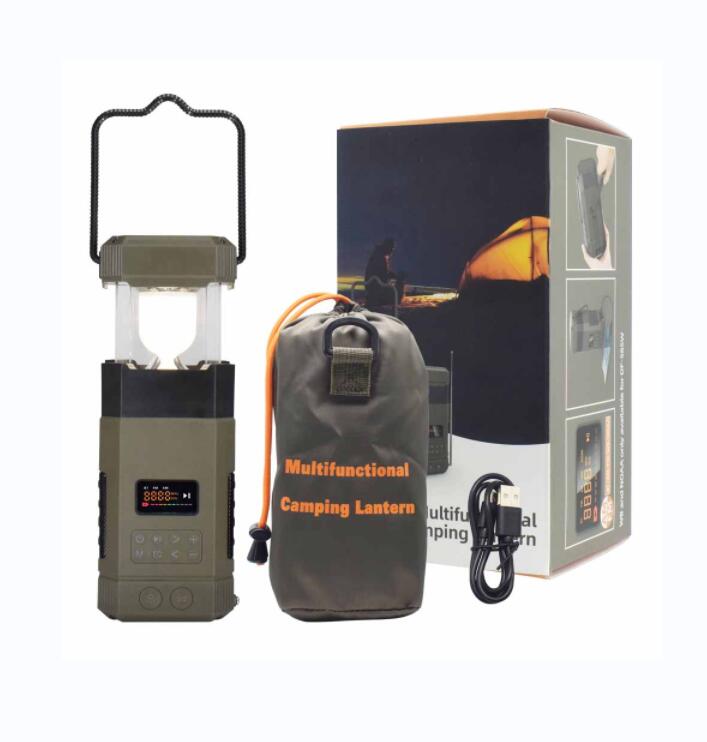
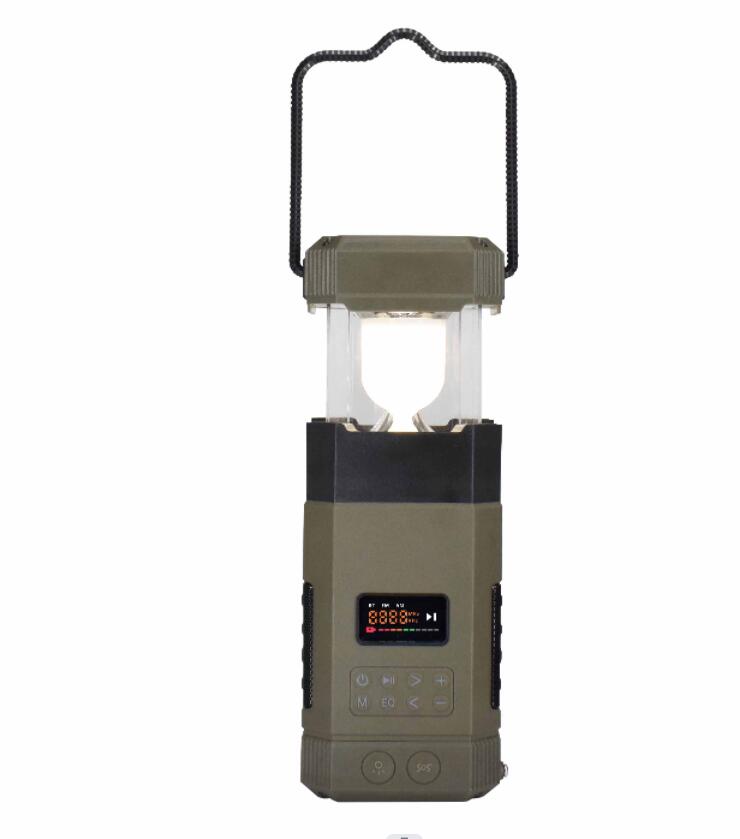
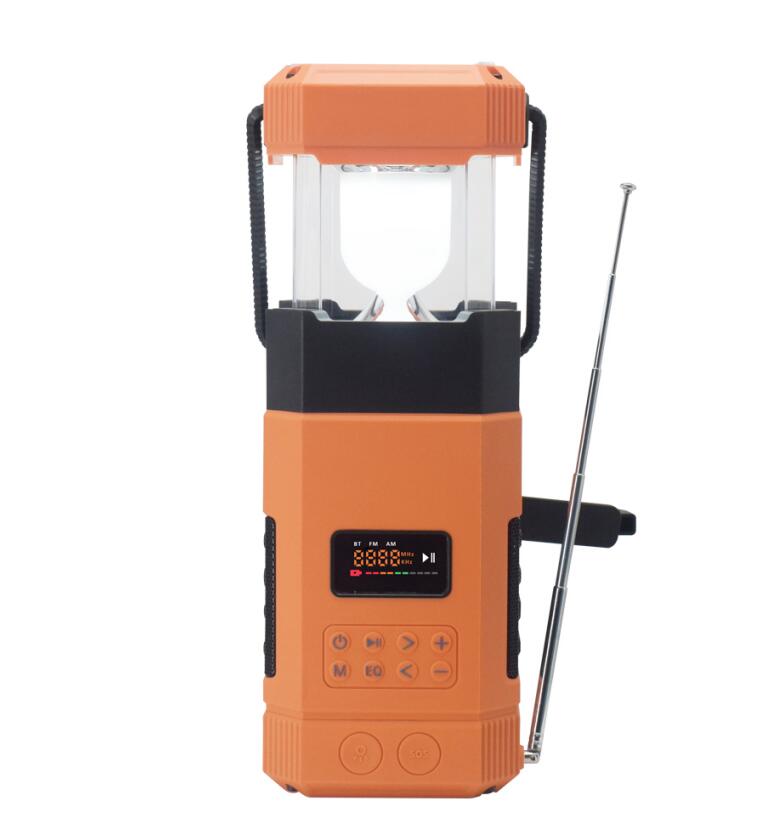
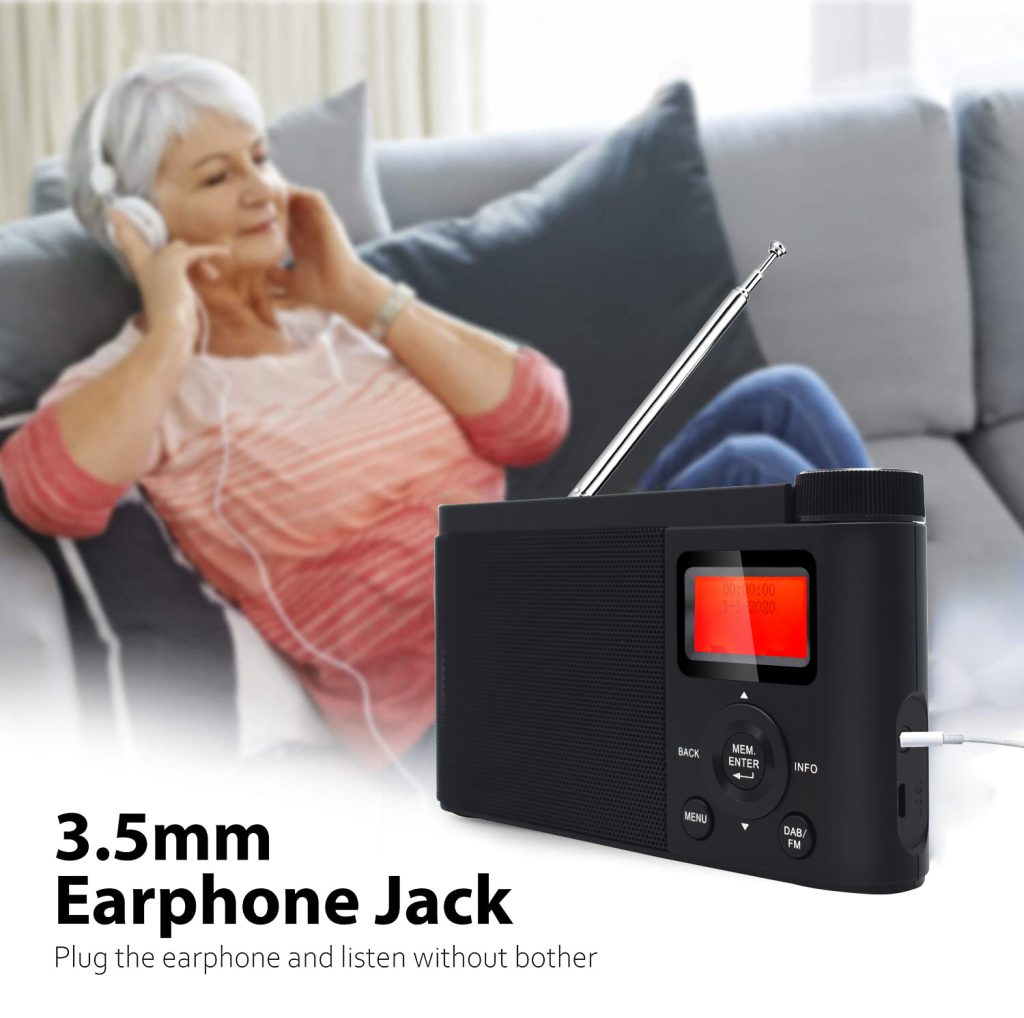

For automotive and consumer electronics brands relying on OEM radio production, a single batch of faulty units can erode customer trust, damage brand reputation, and lead to costly recalls. This is why consistent quality control across every stage of OEM radio manufacturing is non-negotiable—yet many brands struggle to replicate prototype quality at scale.
The Prototype-to-Mass Production Quality Gap: A Common Pain Point
Prototypes of OEM radios are typically hand-assembled in small runs, allowing for meticulous oversight and high-quality results. However, when moving to mass production, factors like automated line speed, untrained contract manufacturer operators, and component substitutions can create a wide gap between prototype performance and batch output. For example, a U.S.-based audio brand launching a new line of OEM car radios in 2022 reported a 12% failure rate in its first production batch—twice the prototype’s failure rate—due to inconsistent solder joints from a new, unvetted contract manufacturer. This gap not only delayed the brand’s launch by three months but also cost $450,000 in replacement and rework expenses.
Tiered Supplier Audits to Mitigate Component Variability
One of the primary causes of quality inconsistency in OEM radio production is component-level defects. To address this, brands must implement a tiered supplier audit framework that evaluates every level of the supply chain. This includes conducting on-site audits of raw material suppliers (for tuner chips, speakers, and circuit boards) to verify ISO 9001 compliance and material traceability, auditing sub-assembly suppliers to ensure adherence to standard operating procedures (SOPs), and requiring final component testing before integration. For instance, premium automotive brands like BMW mandate quarterly on-site audits for their OEM radio component suppliers, with strict tolerances for audio output (±0.5dB) and frequency reception accuracy. This level of oversight reduces the risk of unapproved component swaps that can compromise quality.
Real-Time In-Line Quality Control for Batch Consistency
Final-only testing is no longer sufficient to ensure consistent OEM radio quality; brands need real-time in-line QC protocols at every manufacturing stage. These protocols include automated optical inspection (AOI) for PCB assembly to catch soldering defects, automated radio tuning tests post-firmware flash to verify frequency sensitivity and Bluetooth connectivity, and audio performance tests after final assembly to measure distortion levels. A 2023 Consumer Technology Association study found that brands using in-line QC systems reduced radio production defects by 47% compared to those relying solely on final testing. IoT-enabled testers also log data for every unit, enabling full traceability—critical for identifying and resolving issues quickly if a defect arises.
Post-Production Validation: Field Testing and Regulatory Alignment
Even after units leave the factory floor, quality control for OEM radios must extend to post-production validation. This includes field testing a minimum of 5% of each production batch in real-world conditions—such as extreme temperatures (-40°C to 85°C), high vibration (for automotive use), and varying signal environments—to ensure performance holds. Brands must also align with global regulatory standards: FCC Part 15 for radio frequency emissions in the U.S., CE for the European Union, and ICES-003 for Canada. A 2022 case in Europe saw a consumer electronics brand fined €2 million for selling non-compliant OEM radios that failed CE emissions tests, resulting in a full product recall. Integrating post-sale customer feedback into QC processes also helps catch subtle issues that factory testing may miss.
Continuous Quality Improvement to Sustain Long-Term Consistency
Quality control for OEM radios is not a one-time process; it requires a commitment to continuous quality improvement (CQI) using frameworks like Plan-Do-Check-Act (PDCA). This involves setting measurable quality targets (e.g., 0.5% defect rate per batch), implementing process adjustments to meet those targets, checking defect rates regularly, and acting on gaps to refine operations. For example, a Japanese automotive brand reduced its OEM radio defect rate by 8% in 2023 by updating its soldering machine calibration schedule based on monthly QC data. Monthly cross-functional meetings—including representatives from suppliers, QC teams, production lines, and R&D—also help address emerging issues before they scale, ensuring long-term consistency across production runs.
For brands looking to avoid costly quality gaps in OEM radio production, partnering with a manufacturer that has a robust end-to-end quality control system is essential. Requesting a pre-production sample batch for independent testing and a detailed QC report can help validate that your upcoming launch meets all performance standards. Submit a custom request today to learn how tailored OEM radio quality control can support your brand’s goals.