

Tired of Wasting Inventory on Retro Radios That Don’t Sell? Which Style Fits Your Product Line?
Retro tech sales surged 42% between 2021 and 2023, per the NPD Group, making it a high-growth category for retailers—but many brands still miss their mark. Take the boutique home decor shop in Brooklyn that stocked only solid wooden retro radios in 2022: they saw a 38% inventory turnover for premium units, but a 62% bounce rate from shoppers searching “portable retro radio for camping” or “small tabletop radio for desks.” The problem? They picked a single style without mapping it to their full target audience. If you’ve launched retro radios and watched half your options sit on shelves, you’re not alone: 57% of small audio brands admit they didn’t test style alignment before launching their lines, per a 2023 Retro Tech Consumer Survey. This gap between product choice and buyer needs is why so many retro radio lines underperform— but solving it starts with understanding the three core styles and who they serve best.
Let’s start with wooden retro radios—the style that dominates home and gifting segments. These units are crafted from solid oak, walnut, or teak, with curved edges and analog dials that mirror mid-century modern design, making them more than just an audio device; they’re a decorative statement. Their core buyers are home decor enthusiasts (45% of purchases, per the 2023 Retro Tech Consumer Survey) and gift shoppers looking for housewarming or anniversary presents, who prioritize aesthetic over portability. For example, a wooden retro radio pairs seamlessly with vinyl players, mid-century sofas, and farmhouse-style shelves, adding warmth to any living space. If your product range targets furniture stores, vintage shops, or gift brands, wooden retro radios should be your foundation—they carry a 22% higher average price point than plastic counterparts, so they drive higher margins and appeal to shoppers willing to pay for quality and style.
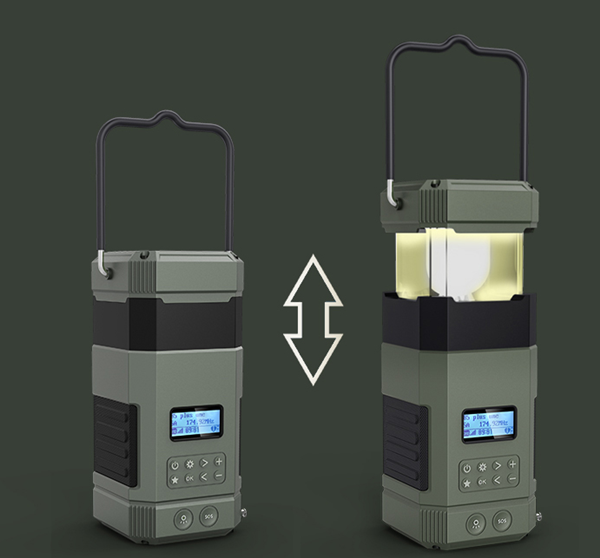
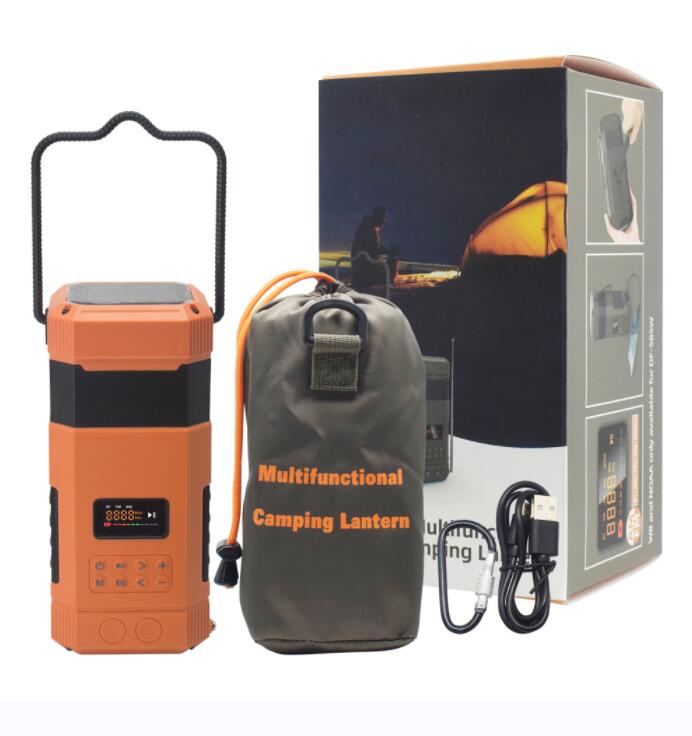
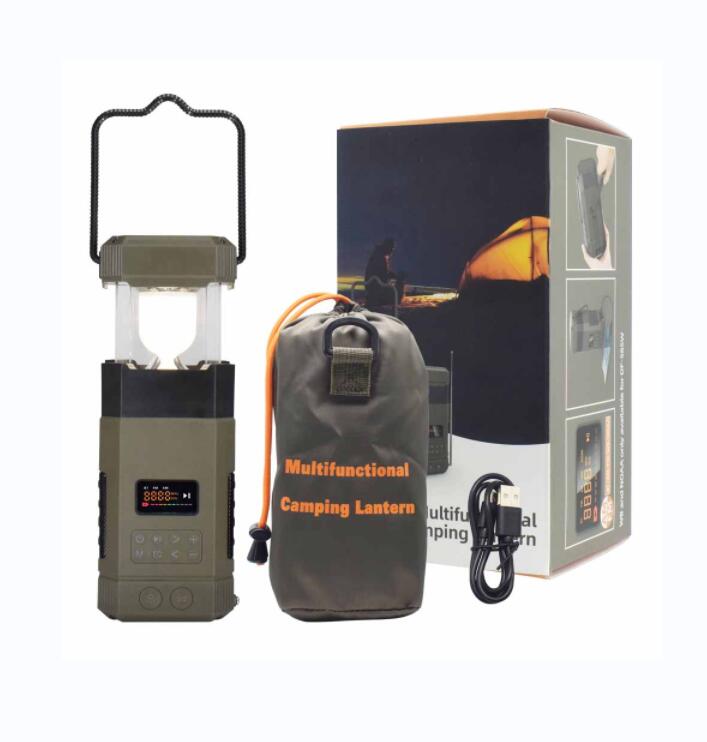
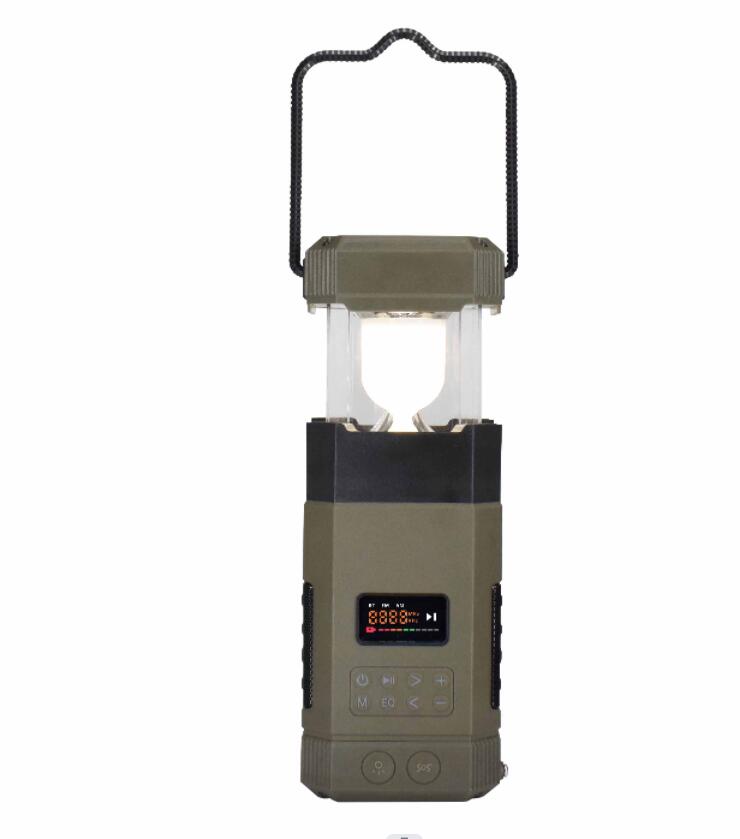
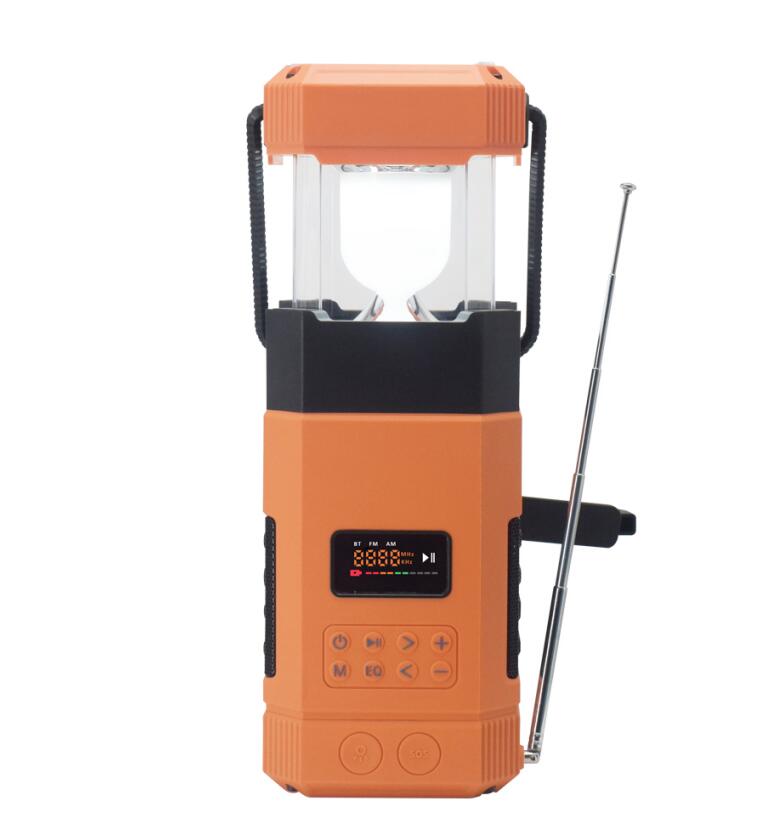
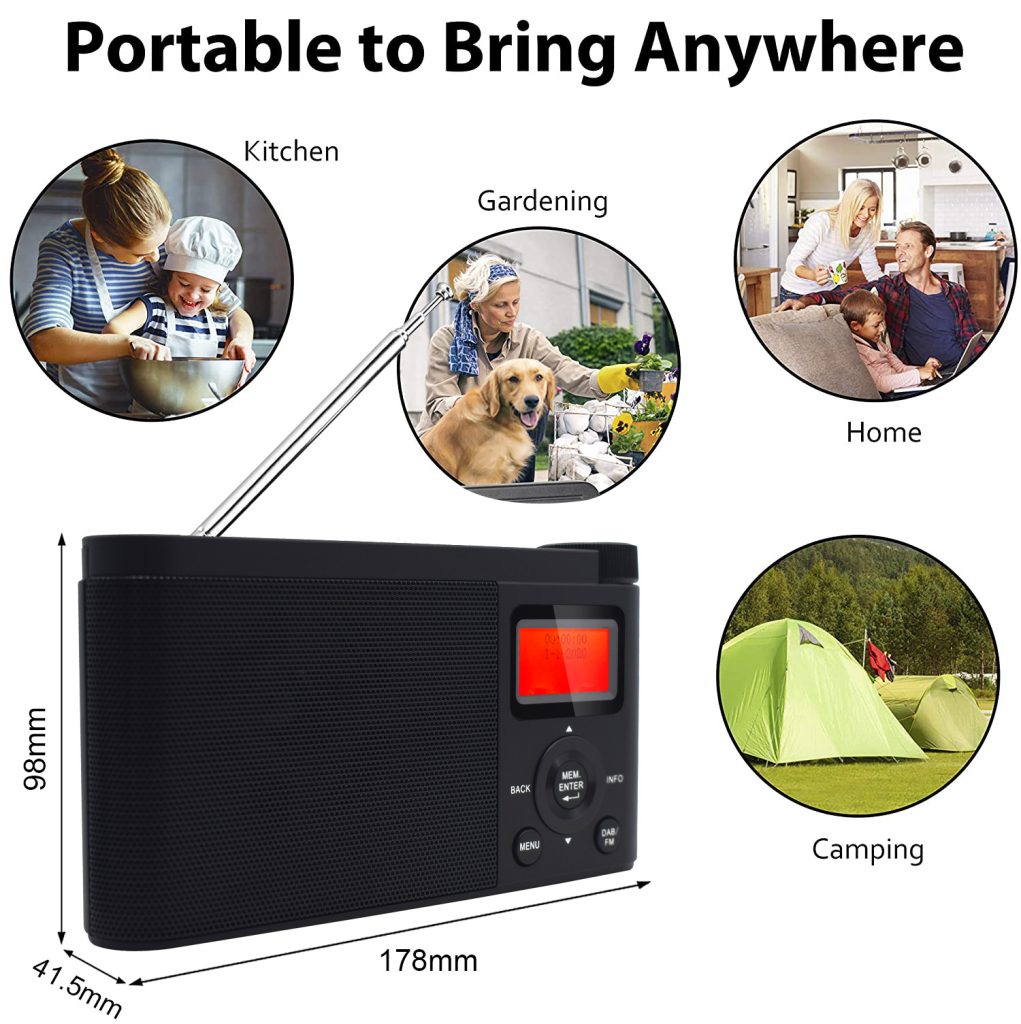
Next, portable retro radios: the workhorse for on-the-go lifestyles. Compact, lightweight, and often weather-resistant (many come with IPX4 ratings for splash protection), these radios run on rechargeable batteries for 8–12 hours of use, making them perfect for activities beyond the living room. Their key audience is outdoor lovers (32% of buyers), commuters, and college students—people who want retro charm without being tied to a single spot. A 2022 Amazon case study showed that brands adding portable retro radios to their camping gear lines saw a 28% lift in overall sales, as shoppers often pair portable audio with tents, coolers, and hiking accessories. If your product range targets adventure brands, travel e-commerce, or student supplies, portable models will fill a critical gap your wooden-only line misses, tapping into a segment that prioritizes function as much as style.
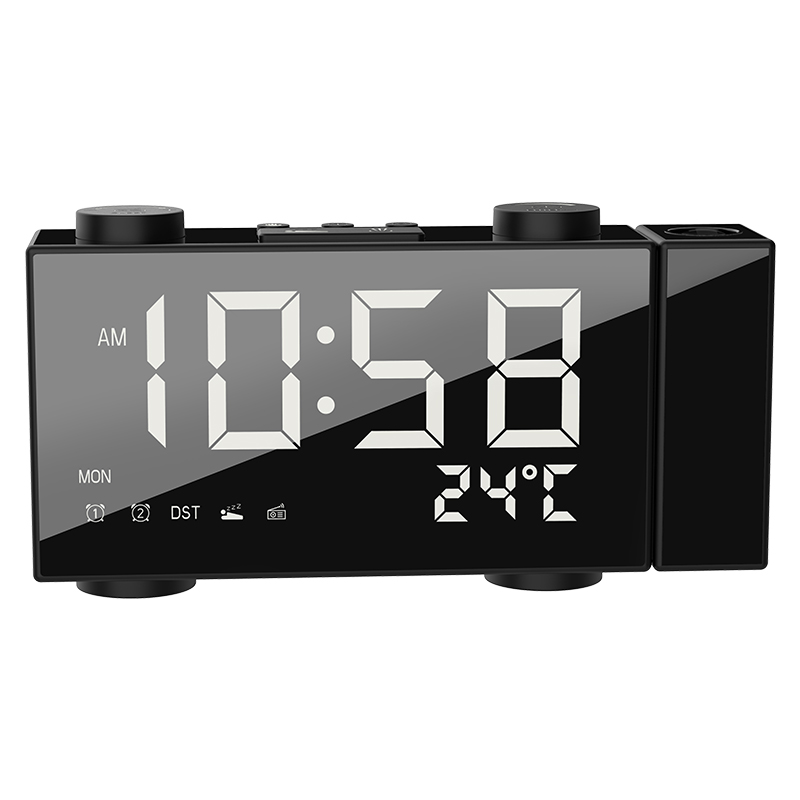
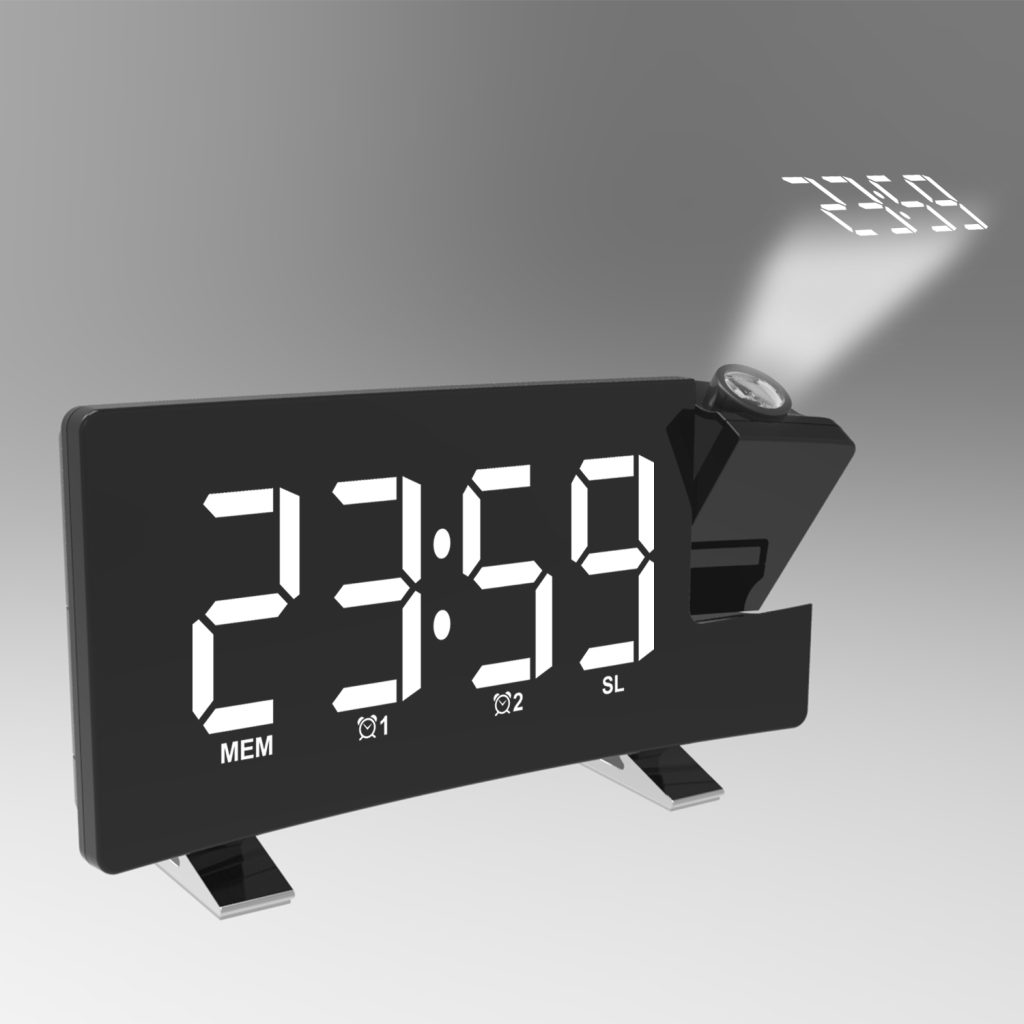
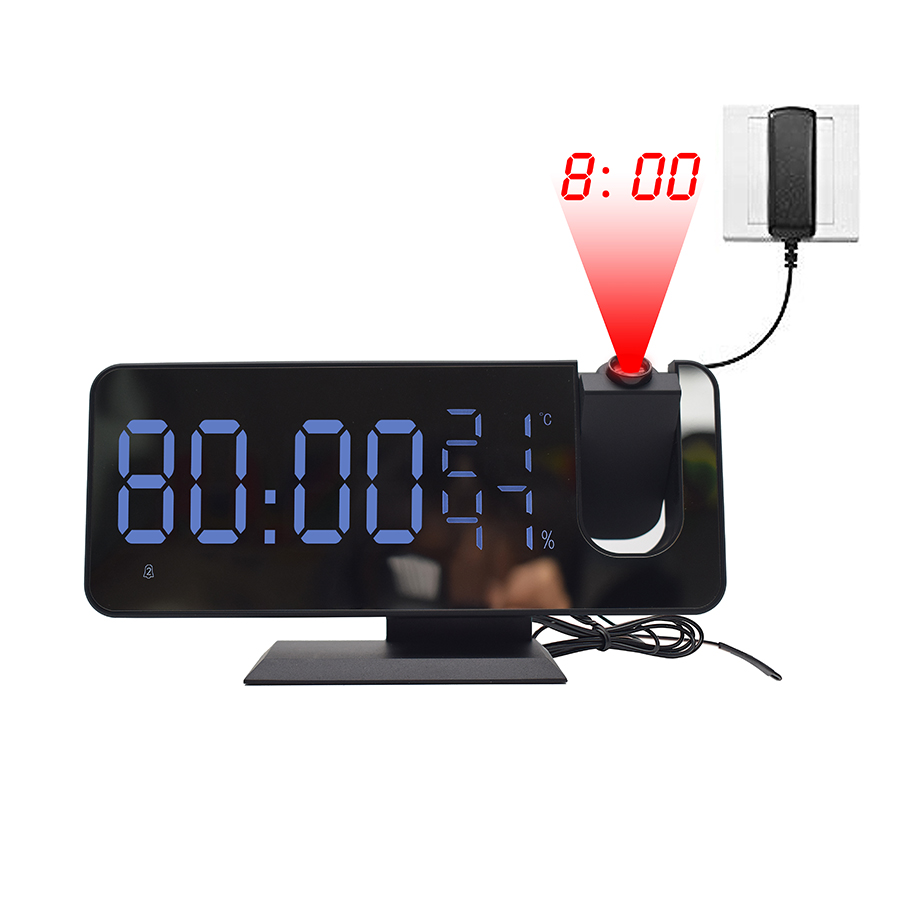
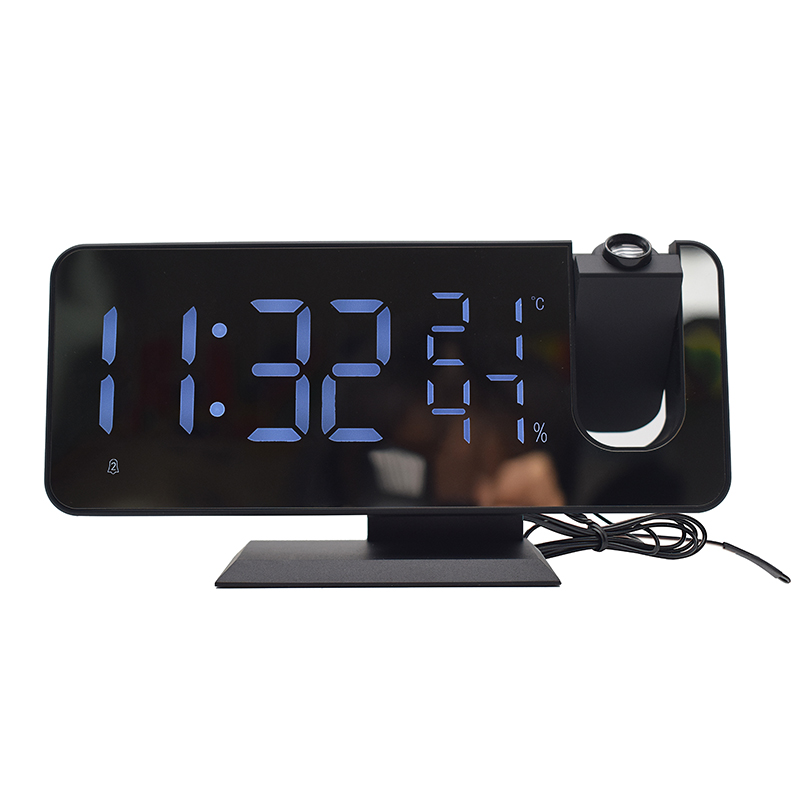
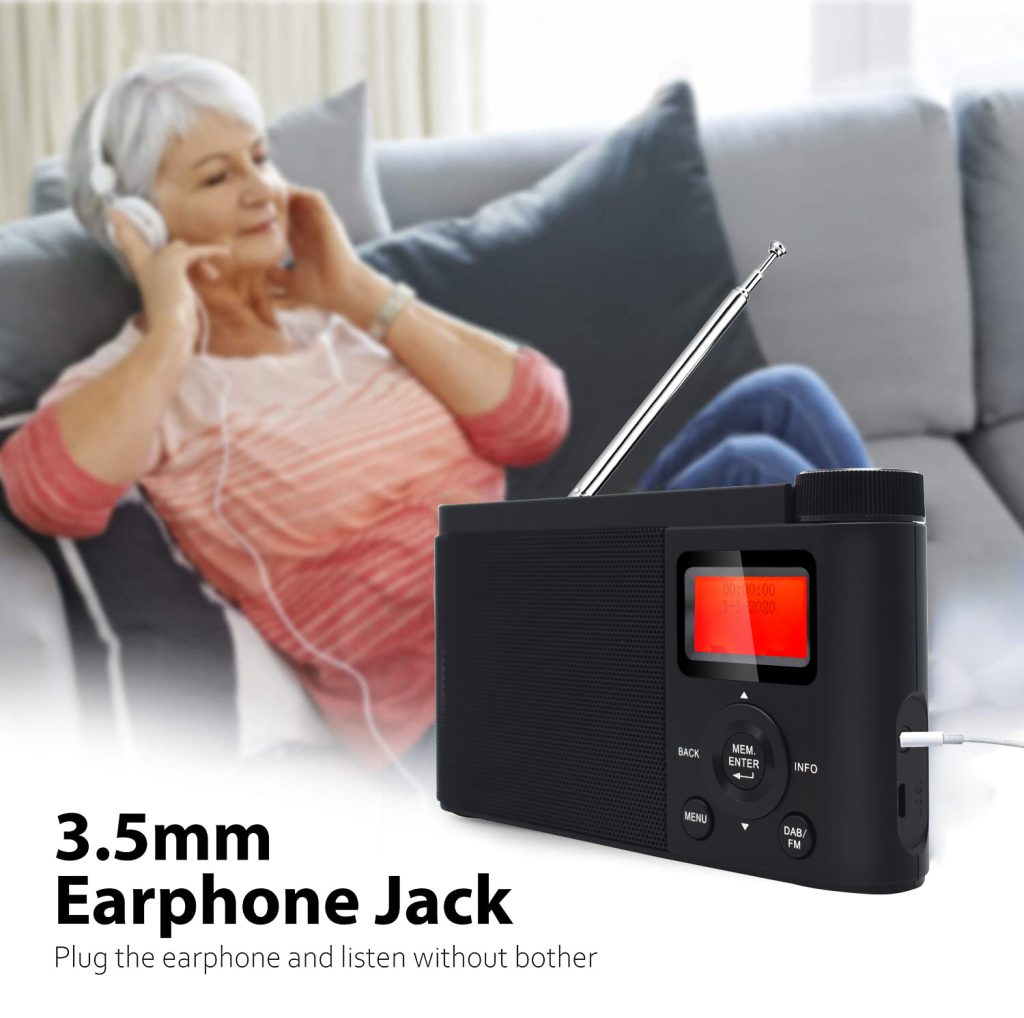
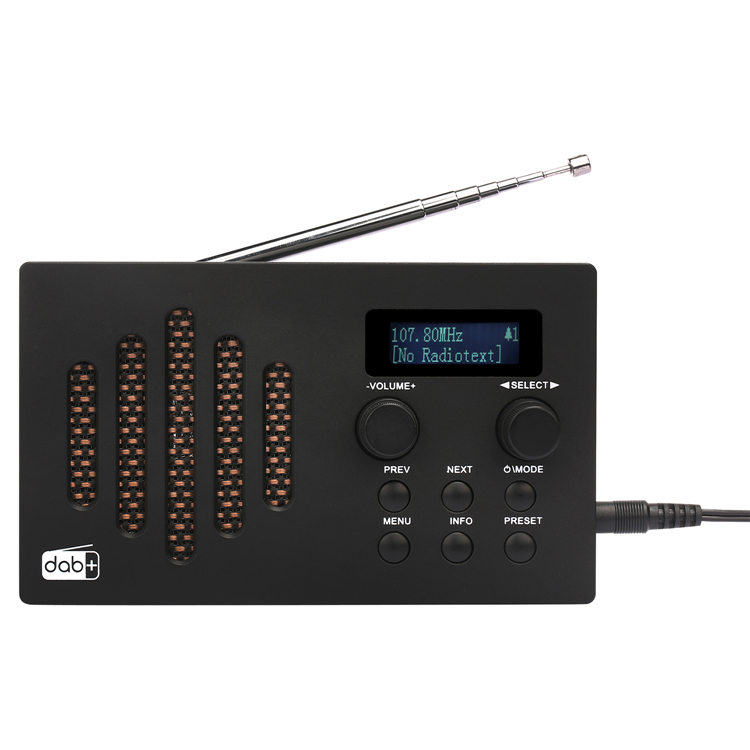
Then there’s tabletop retro radios: the unsung hero for small-space and professional audiences. Sleeker than wooden units (often with metal or acrylic accents) and designed for desks, home offices, or café counters, these radios balance retro charm with modern functionality—think FM radio, Bluetooth connectivity, and aux inputs for pairing with laptops. Their core buyers are remote workers (35% of purchases) and small business owners, who want ambient background sound without cluttering their workspace. A 2023 survey of remote workers found that 60% use a retro-style radio for focus music, and tabletop models are 30% more popular for this use than full-sized wooden units, as they fit easily on a laptop stand or side table without overpowering the space. If your product range targets office supply brands, apartment living stores, or café equipment suppliers, tabletop models will resonate with a fast-growing segment that values both style and practicality.
So which style fits your product line? The answer isn’t “pick one”—it’s curate a mix that aligns with your audience’s diverse needs. A 2023 Etsy case study showed that sellers offering all three styles saw 45% higher conversion rates than those with only one, as shoppers could pick a unit that fit their exact use case—whether it’s a wooden radio for a living room, portable for a beach day, or tabletop for a home office. Use this quick breakdown to build your line: If you sell to home decor and gift buyers, lead with wooden retro radios, add tabletop models for small-space shoppers, and include a portable option as a premium add-on. If you sell to adventure and travel shoppers, lead with portable retro radios, add a wooden model for campground common areas, and include tabletop units for guest stays. To make this easier, we’ve created a free style alignment guide that maps each retro radio style to niche-specific sales strategies, inventory tips, and pricing benchmarks. Download it today to cut waste, boost conversions, and tap into the booming $1.2B retro tech market.
| Style | Core Audience | Key Sales Driver | Ideal Product Fit |
|---|---|---|---|
| Wooden Retro Radio | Home Decor Enthusiasts, Gift Shoppers | Mid-century Aesthetic, High Margins | Furniture Stores, Vintage Shops, Gift Brands |
| Portable Retro Radio | Outdoor Lovers, Commuters, Students | On-the-Go Functionality, Durability | Adventure Gear, Travel E-Commerce, Student Supplies |
| Tabletop Retro Radio | Remote Workers, Small Business Owners | Space-Saving Design, Office Compatibility | Office Supplies, Apartment Stores, Cafés |